The anal canal forms the terminal portion of the gastrointestinal tract, comprising the rectum and anus. An anal fistula is an abnormal epithelialized tract connecting the anal canal to the perianal skin. In paediatric patients, fistulous tracts may also occasionally communicate with adjacent structures such as the vagina or urinary tract. While some congenital forms present in infancy - often associated with anorectal malformations - acquired fistulae can also develop following perianal abscesses, trauma, or previous surgical interventions. Timely specialist evaluation by an experienced paediatric surgeon ensures accurate diagnosis and appropriate management.
Clinical Presentation and Symptoms
- Perianal pain, tenderness, or discomfort, particularly during defecation.
- Persistent or intermittent perianal discharge containing serous fluid, pus, or blood.
- Recurrent perianal abscess formation or swelling.
- Associated urinary symptoms or localized skin irritation.
Clinical Evaluation and Age of Presentation
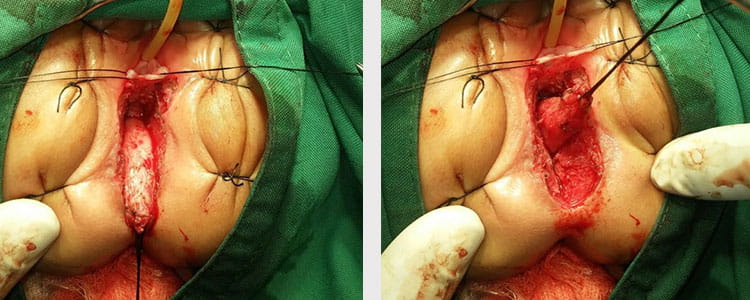
Paediatric fistulae may present in neonates as part of complex congenital anomalies (such as anorectal malformations) or in older infants and children following perianal sepsis. Specialist consultation with a qualified paediatric surgeon in Siliguri ensures thorough assessment and tailored therapeutic planning.
Diagnostic Assessment of Anal Fistulae
Diagnosis is established through careful physical and proctologic examination of the perianal region. The clinician evaluates the external opening, traces the path of the fistulous tract, and determines its relationship to the anal sphincter complex. Additional imaging or examination under anesthesia (EUA) may be utilized when complex tracts or associated internal openings require precise anatomical mapping.
Paediatric Fistula-in-Ano Surgical Management
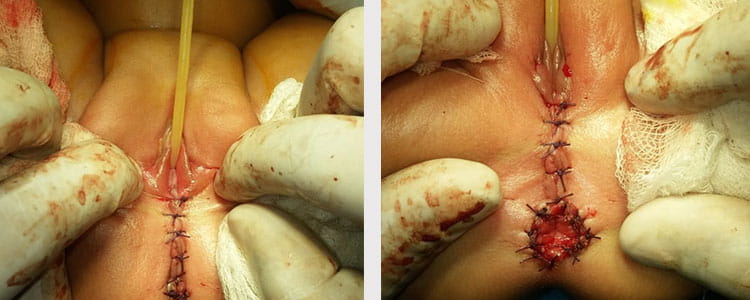
Surgical intervention is the definitive treatment for symptomatic anal fistulae that do not resolve conservatively. The specific surgical technique - such as fistulotomy, seton placement, or advancement flap procedures - depends on the anatomical complexity of the tract and its relation to the sphincter muscles. In rare, highly complex cases associated with severe congenital anomalies or extensive local sepsis, temporary fecal diversion (colostomy) may be considered to allow tissue healing before definitive reconstruction.
Postoperative care involves structured follow-up evaluations, appropriate wound management, and dietary guidance to ensure comfortable bowel function. Comprehensive clinical evaluation and specialized surgical management in Siliguri are provided by Dr. Manish Madhav.

Dr. Manish Madhav
MS (GENERAL SURGERY), MCH(PAEDIATRIC SURGERY)
Senior Consultant Paediatric / Neonatal Surgeon & Paediatric Urologist
Registration No. 77583 - West Bengal Medical Council (Active)